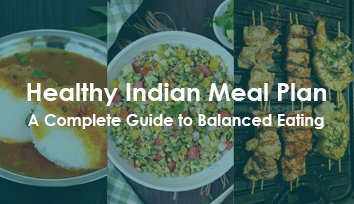
Indian food is like a colorful festival on a plate—rich aromas, bold spices, and comforting flavors. But here’s the big question many people ask: Can Indian food really be healthy? The answer is a loud yes. A healthy Indian meal plan, when done right, is one of the most balanced and nourishing ways to eat.
Let’s break it all down in a simple, practical, and no-confusion way.
What Is a Healthy Indian Meal Plan?
A healthy Indian meal plan focuses on balance, portion control, and variety. It combines whole grains, lentils, vegetables, fruits, dairy, and healthy fats while minimizing processed foods and excess oil.
Understanding Indian Nutrition Basics
Indian cuisine naturally includes all major food groups. Dal provides protein, rice and roti give energy, vegetables supply fiber, and curd supports digestion. The magic lies in balance.
Why Traditional Indian Food Is Naturally Healthy
Our ancestors didn’t count calories—they followed wisdom. Seasonal eating, fermented foods, and spice-based cooking made Indian diets nutrient-dense long before nutrition labels existed.
Related blog: https://vdpfoods.com/event/best-south-indian-food-near-me/
Key Principles of a Balanced Indian Diet
Macronutrients in Indian Meals
Carbohydrates
Choose complex carbs like brown rice, millets, oats, and whole wheat roti instead of refined flour and white rice.
Proteins
Dal, beans, paneer, curd, eggs, fish, and lean meats help repair muscles and keep you full longer.
Healthy Fats
Use limited amounts of ghee, mustard oil, groundnut oil, or coconut oil. Fats are friends—just not in excess.
Importance of Micronutrients
Vegetables, fruits, nuts, and seeds supply vitamins and minerals that boost immunity and prevent deficiencies.
Benefits of Following a Healthy Indian Meal Plan
Weight Management
Balanced meals prevent overeating and reduce unhealthy cravings.
Better Digestion and Gut Health
Fiber-rich foods, spices like cumin and ajwain, and fermented items improve digestion naturally.
Improved Energy Levels
When your meals are balanced, energy doesn’t crash—it flows steadily throughout the day.
Healthy Indian Breakfast Ideas
Breakfast sets the tone for your entire day.
Vegetarian Breakfast Options
- Vegetable poha
- Idli with sambar
- Oats upma
- Moong dal chilla
- Vegetable paratha with curd

High-Protein Indian Breakfasts
- Paneer bhurji with multigrain toast
- Sprouts salad
- Boiled eggs with fruit
- Besan chilla

Healthy Indian Lunch Meal Plan
Lunch should be satisfying but not sleep-inducing.
Balanced Vegetarian Lunch
- 1–2 whole wheat rotis
- Dal or rajma
- Mixed vegetable sabzi
- Salad
- Curd

Non-Vegetarian Indian Lunch Options
- Grilled chicken curry
- Fish curry with brown rice
- Egg curry with roti

Healthy Indian Dinner Ideas
Dinner should be light, like a soft landing after a long flight.
Light and Easy Dinner Choices
- Vegetable khichdi
- Soup with sautéed veggies
- Paneer tikka with salad

Low-Carb Indian Dinner Options
- Stir-fried vegetables
- Dal with sautéed greens
- Grilled fish or tofu
Healthy Indian Snacks Between Meals
Traditional Indian Healthy Snacks
- Roasted chana
- Makhana
- Fruit chaat

Quick and Modern Snack Ideas
- Nuts and seeds
- Yogurt with fruit
- Smoothies

Weekly Healthy Indian Meal Plan (Sample)
7-Day Vegetarian Meal Plan
Includes rotating breakfasts like poha and idli, lunches with dal and sabzi, and light dinners like soups and khichdi.
7-Day Non-Vegetarian Meal Plan
Adds eggs, fish, and chicken 3–4 times a week for protein variety.
Healthy Indian Meal Plan for Weight Loss
Foods to Include
- Millets
- Vegetables
- Lean proteins
- Fruits
Foods to Avoid
- Fried snacks
- Sugary drinks
Healthy Indian Meal Plan for Diabetes
Low Glycemic Indian Foods
- Millets
- Legumes
- Non-starchy vegetables
Portion Control Tips
Eat smaller meals and avoid skipping food to keep blood sugar stable.
Healthy Indian Meal Plan for Heart Health
Heart-Friendly Indian Ingredients
- Garlic
- Turmeric
- Nuts
- Leafy greens
Cooking Methods to Follow
Steaming, grilling, roasting, and sautéing instead of deep frying.
Common Mistakes to Avoid in Indian Diets
Overuse of Oil and Ghee
A little adds flavor; too much adds trouble.
Excess Refined Carbs
White bread, maida, and sugary sweets should be occasional treats, not daily habits.
Tips to Make Indian Food Healthier
Smart Cooking Techniques
Use non-stick pans, air fryers, and pressure cooking.
Ingredient Swaps
Replace white rice with millets and cream with curd.
How to Stay Consistent with a Healthy Indian Meal Plan
Meal Prepping
Plan meals ahead to avoid junk food temptation.
Mindful Eating Habits
Eat slowly, enjoy flavors, and stop when satisfied—not stuffed.
Conclusion
A healthy Indian meal plan isn’t about restriction—it’s about smart choices. By embracing traditional foods, balanced portions, and wholesome nutrition, you can stay fit and energized. Including quality products from VDP Foods, known for their focus on purity and nutrition, can further support a healthy lifestyle. Think of your diet as a lifelong companion, not a short-term fix.
Visit our Contact Us page at https://vdpfoods.com/contact-us/ to connect with VDP Foods for any inquiries or support.
FAQs
1. Can Indian food help with weight loss?
Yes, when portions and ingredients are managed wisely.
2. Is rice bad in a healthy Indian meal plan?
No, moderation and choosing brown rice or millets is key.
3. How much oil is healthy in Indian cooking?
2–3 teaspoons per person per day is ideal.
4. Can vegetarians get enough protein in Indian diets?
Absolutely, through dal, paneer, curd, legumes, and nuts.
5. Is ghee healthy or unhealthy?
Ghee is healthy in small quantities and improves digestion.