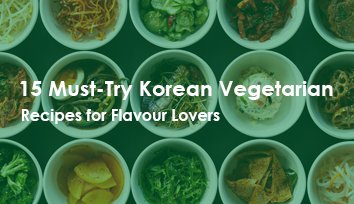
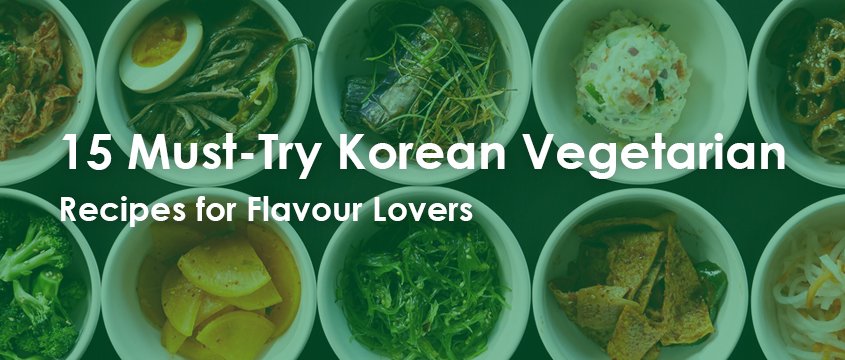
Korean cuisine is celebrated globally for its bold flavors, colorful presentation, and deep cultural roots – but many people don’t realize just how rich and diverse Korean vegetarian cuisine is. From fermented dishes and hot fries to comforting one-pot meals and vibrant vegetables, Korean food goes far beyond a meat-centric barbecue culture.
Whether you’re a dedicated vegetarian, experimenting with plant-based eating, or simply a flavor lover looking for new inspiration, Korean cuisine offers a world of delicious opportunities. This article brings you 15 must-try Korean vegetarian dishes, carefully selected for their authenticity, simplicity and unique flavor profiles.
As global food brands continue to promote plant-based eating, companies like VDP Foods also highlight the importance of high-quality vegan ingredients and ready-to-use products that make cooking easier and faster. Their focus on clean, delicious, vegan-friendly ingredients coincides perfectly with the rise of Korean vegan cuisine around the world.
Similar to the Top 20 Indian Vegetarian Recipes, these dishes are also in line with global vegetarian trends – proving that both Korean and Indian cuisine offer exceptional plant-based depth, spice balance, and natural ingredients.
Prepare to learn how Korean cuisine transforms simple vegetables, tofu, mushrooms and grains into unforgettable dishes.
recipe list overview
The following 15 recipes were selected based on taste diversity, cultural relevance, ease of cooking and vegetarian suitability. You’ll find recipes for every mood:
- Comforting Stew
- Fresh Salad
- Delicious Pancakes
- Casual Rice Bowls
- Spicy Stir-Fries
- Classic Korean side dishes (banchan)
All dishes are either naturally vegan or easily adapted with plant-based ingredients. Many of these recipes can also be enhanced with prepared vegetarian ingredients, pastes, spices or meal kits – similar to the convenient product line offered by VDP Foods, which makes cooking at home easy, especially for beginners who want authentic flavor without lengthy preparation. Let’s delve deeper into Korean flavors.
Related blog: https://vdpfoods.com/event/veg-catering-services-near-me/
1. Bibimbap (Mixed Vegetable Rice Bowl)
Description: Bibimbap is one of Korea’s most iconic dishes – a vibrant bowl of rice topped with mixed seasonal vegetables, gochujang and a fried egg.
Main Ingredients: Rice, spinach, bean sprouts, carrots, mushrooms, zucchini, sesame oil, gochujang, egg.
Why is it vegetarian: It uses only vegetables and eggs; Vegetarians can skip eggs.
Flavor Profile: Tasty, spicy, nutritious, aromatic.
Cooking Tip: Fry each topping to preserve the individual flavors before arranging them beautifully over the rice.

2. Kimchi Jeon (Kimchi Pancakes)
Description: Crisp on the outside and soft on the inside, kimchi pancakes are a beloved Korean snack or appetizer.
Main Ingredients: Vegetarian kimchi (no fish sauce), flour, green onion, oil.
Why is it vegetarian: Use fish-free kimchi, which is easy to make or buy.
Flavor Profile: Tart, slightly spicy, crunchy.
Cooking Tip: Let the batter rest for 10 minutes for better texture.

3. Japchae (Sweet Potato Noodle Stir-Fry)
Description: Slippery glass noodles fried with colorful vegetables – Japchae is a party favorite.
Main Ingredients: Sweet potato noodles, spinach, carrots, mushrooms, sesame oil.
Why is it vegetarian: Traditionally meat is used, but in vegetarian versions it is omitted and it remains just as delicious.
Flavor Profile: Sweet, salty, silky.
Cooking Tip: Cook the noodles until slightly firm; They continue to soften when roasted.

4. Doenjang Jjigae (Soybean Paste Stew – Vegetarian Version)
Description: A rich, earthy stew made using fermented soybean paste.
Main Ingredients: Doenjang (without anchovy base), tofu, potatoes, zucchini, mushrooms.
Why is it vegetarian: Use vegetable broth in place of anchovy stock.
Flavor Profile: Deep umami, earthy, comforting.
Cooking Tip: Cook slowly on low flame to help the flavors develop fully.

5. Gochujang Tofu Stir-Fry
Description: A protein-packed stir-fry featuring crunchy tofu coated in spicy gochujang sauce.
Main Ingredients: Tofu, gochujang, garlic, sesame seeds, green onion.
Why is it vegetarian: Completely plant based.
Flavor Profile: Spicy, smoky, salty.
Cooking Tip: Pat the tofu dry before frying for maximum crispiness.

6. Kimbap (Vegetarian Korean Sushi Rolls)
Description: Colorful and portable, vegetarian kimbap is ideal for snacks or picnics.
Main Ingredients: Rice, seaweed sheet, carrot, spinach, pickled radish, cucumber, egg.
Why is it vegetarian: The traditional tuna or beef is replaced with vegetables or tofu.
Flavor Profile: Fresh, slightly sweet, flavored with sesame seeds.
Cooking Tip: Add light salt, sugar and sesame oil to the rice for authentic taste.

7. Tteokbokki (Spicy Rice Cakes – Vegan Version)
Description: Chewy rice cakes cooked in spicy-sweet gochujang sauce.
Main Ingredients: Rice cakes, gochujang, sugar, green onion, cabbage.
Why is it vegetarian: Use a broth made from seaweed and mushrooms instead of anchovies.
Flavor Profile: Chewy, spicy, sweet.
Cooking Tip: Don’t overcook the rice cakes – they should remain chewy.

8. Kongguksu (Cold Soy Milk Noodles)
Description: A refreshing summer noodle dish served in creamy soy broth.
Main Ingredients: Soybean, noodles, cucumber, sesame.
Why is it vegetarian: Completely plant based and dairy free.
Flavor Profile: Light, nutritious, refreshing.
Cooking Tip: Blend the soybeans until silky smooth for a creamy texture

9. Gamza Zorim (Braised Potatoes)
Description: Baby potatoes cooked in soy glaze until soft and shiny.
Main Ingredients: Potatoes, soy sauce, sugar, sesame oil.
Why is it vegetarian: No animal products are used.
Flavor Profile: Sweet-salty, velvety, comforting.
Cooking Tip: Let the sauce reduce slowly for maximum flavor absorption.

10. Gyaran Jaejim (Korean Boiled Eggs)
Description: Soft, custard-like boiled eggs—Korea’s comfort food.
Main Ingredients: Eggs, water or vegetable broth, green onions.
Why is it vegetarian: It contains eggs but no meat.
Flavor Profile: Light, soft, delicious.
Cooking Tip: Add a splash of sesame oil for added aroma.

11. Oi Muchim (Spicy Cucumber Salad)
Description: A crisp, refreshing salad, perfect as a side dish.
Main Ingredients: Cucumber, gochugaru, vinegar, sugar.
Why is it vegetarian: 100% plant based.
Flavor Profile: Tart, spicy, crispy.
Cooking Tip: To maintain crispness, first add salt to the cucumber.

12. Sigumchi Namul (Spicy Spinach)
Description: A simple yet essential banchan made of steamed spinach.
Main Ingredients: Spinach, garlic, sesame oil, soy sauce.
Why is it vegetarian: Completely plant based.
Flavor Profile: Tasty, nutritious, aromatic.
Cooking Tip: Don’t overcook the spinach—30 seconds is enough.

13. Dubu Jorim (Braised Tofu)
Description: Tofu is cooked in spicy soy sauce until delicious and soft.
Main Ingredients: Tofu, soy sauce, garlic, gochugaru.
Why is it vegetarian: Completely plant based.
Flavor Profile: Bold, spicy, delicious.
Cooking Tip: Pan-fry the tofu before cooking it for better texture.

14. Hobak Bokkem (Lightly Fried Zucchini)
Description: Light, quick and delicious – perfect for balancing rich dishes.
Main Ingredients: Zucchini, garlic, sesame oil.
Why is it vegetarian: 100% plant based.
Flavor Profile: Light, salty, a little sweet.
Cooking Tip: Cook on high flame to prevent the zucchini from getting soggy.

15. Kimchi Fried Rice (Vegetarian Version)
Description: A comforting fried rice flavored with the spicy spice of kimchi.
Main Ingredients: Vegetarian kimchi, rice, green onion, tofu or egg.
Why is it vegetarian: Uses fish-free kimchi and plant-based add-ins
Flavor Profile: smoky, pungent, spicy
Cooking Tip: Use one day old rice for best texture.

Korean vs Indian vegetarian dishes: depth of flavor without meat:
Just as the top 20 Indian vegetarian dishes show how spices, legumes and vegetables create depth without meat, Korean vegetarian dishes rely on:
- fermentation
- Umami-rich pastes (doenjang, gochujang)
- Miscellaneous vegetable preparations
- Balanced taste
Brands like VDP Foods, known for offering a variety of Indian vegan ingredients and ready-to-cook options, show that high-quality plant-based products can elevate cooking across all cuisines. Their approach to clean, delicious vegan ingredients parallels Korean culinary philosophy – simple, fresh ingredients transformed into bold and satisfying dishes.
Both cultures—and the supporting food brands—prove that plant-based eating can be incredibly satisfying, layering, flavorful, and nutritious.
Related blog: https://vdpfoods.com/event/high-protein-vegetarian-foods/
Pro Tips Section:
- Use high quality gochujang and doenjang for authentic taste.
- Go vegan with ease: replace eggs with tofu and make sure the kimchi is fish-free. • Add roasted sesame seeds before serving to increase the nutritional value
- Prepare ingredients in advance— Korean cooking speeds up when the heat is on. • Store banchan in an airtight container for weekly meal prep.
- Use reliable packaged vegetarian products, such as those provided by VDP Foods
Conclusion:
Korean cuisine offers an incredible variety of delicious plant-based meals, from spicy rice cakes to soothing stews, colorful noodles and iconic rice bowls. These 15 must-try Korean vegetarian dishes show that Korean food doesn’t rely on meat to deliver intense flavor and satisfying texture.
As vegan cuisine continues to grow globally, traditional recipes and modern brands like VDP Foods make it easy for home cooks to experiment with nutritious plant-based ingredients, bringing rich, authentic flavors to the everyday kitchen.
Related blog refer the link: https://vdpfoods.com/event/catering-services/
[FAQs]
1. Are Korean vegetarian dishes spicy?
Not always—many are mild, and spice levels can be adjusted.
2. Is Korean food vegetarian-friendly?
Yes, especially temple cuisine and vegetable-based banchan.
3. Can kimchi be vegetarian?
Absolutely—just choose versions made without fish sauce.
4. What’s the best protein substitute in Korean vegetarian dishes?
Tofu, mushrooms, and mung beans work beautifully.
5. Is gochujang vegan?
Most brands are, but always check labels for added fish ingredients.
6. Are these dishes suitable for meal prep?
Yes—banchan and rice bowls store very well.
7. Can I make these gluten-free?
Use gluten-free soy sauce and check gochujang labels.